ANCHOR BOLT TESTING
Anchor bolts are critical for enhancing the structural integrity and stability
RENTAL • SALES • SERVICE
CALL NOW: for Information: 866-522-5464
Anchor bolts are indispensable in construction, securing equipment to foundations and providing stability to structures. They resist forces like wind and seismic activity, ensuring safety. Their adaptability allows for customized configurations, optimizing structural solutions. Moreover, anchorbolt-testing enhance load-bearing capacity, crucial for supporting heavy machinery and equipment, ensuring robust constructions.
ANCHOR BOLT TESTING
Enhanced Load Bearing Capacity
ANCHOR BOLT TESTING
Anchor bolt testing is a critical process that helps ensure the safety and stability of structures. Anchor bolts are used to secure heavy equipment, machinery, and buildings to the foundation. These bolts need to withstand heavy loads and maintain their integrity over time. Anchor bolt testing involves various methods, including non-destructive and destructive testing, to assess the bolts’ quality, strength, and durability.
Non-destructive testing methods, such as magnetic particle testing, ultrasound testing, and visual inspection, can detect cracks, defects, and other abnormalities in the bolts without damaging them.
Destructive testing methods, such as tensile testing, shear testing, and compression testing, involve breaking the bolt to determine its maximum load capacity. Anchor bolt testing is essential to identify any weaknesses and prevent potential failures that could cause significant damage or harm.
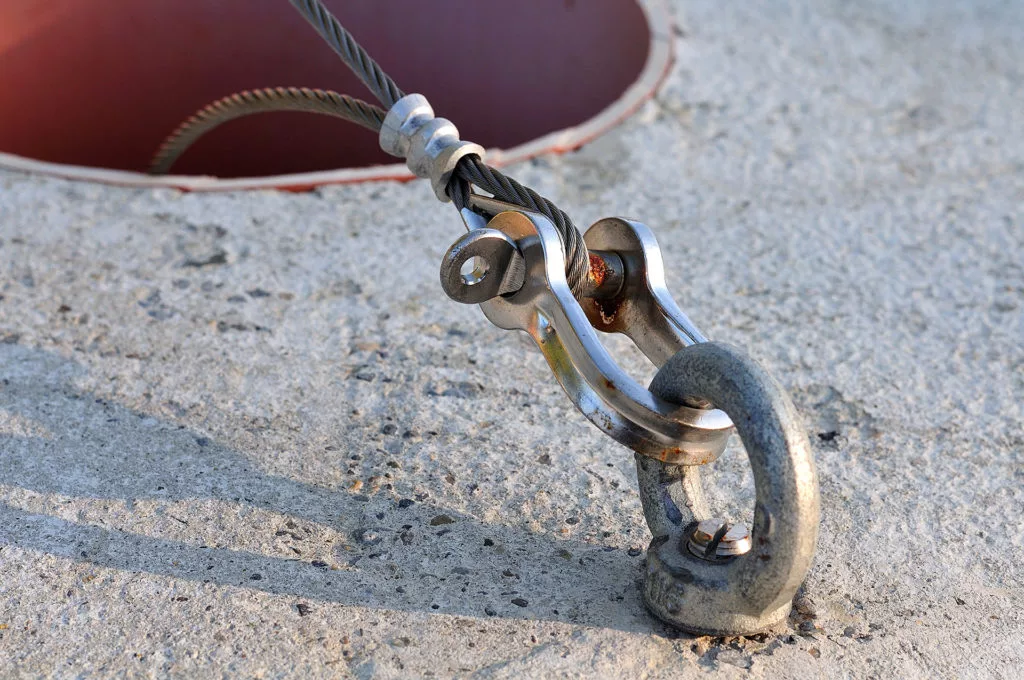
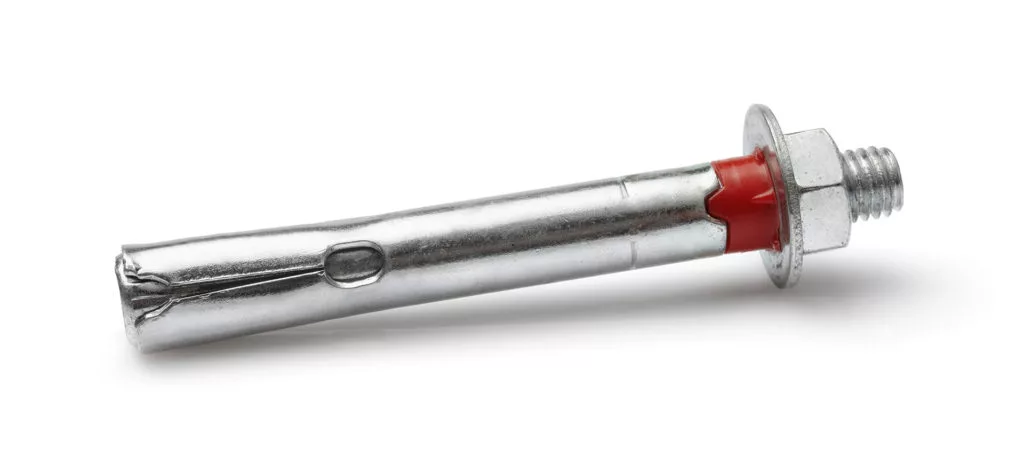
Anchor bolts are used to connect structural and non-structural elements to concrete. The connection can be made by a variety of different components: anchor bolts (also named fasteners), steel plates, or stiffeners. Anchor bolts transfer different types of load: tension forces and shear forces.
Cast-in-place
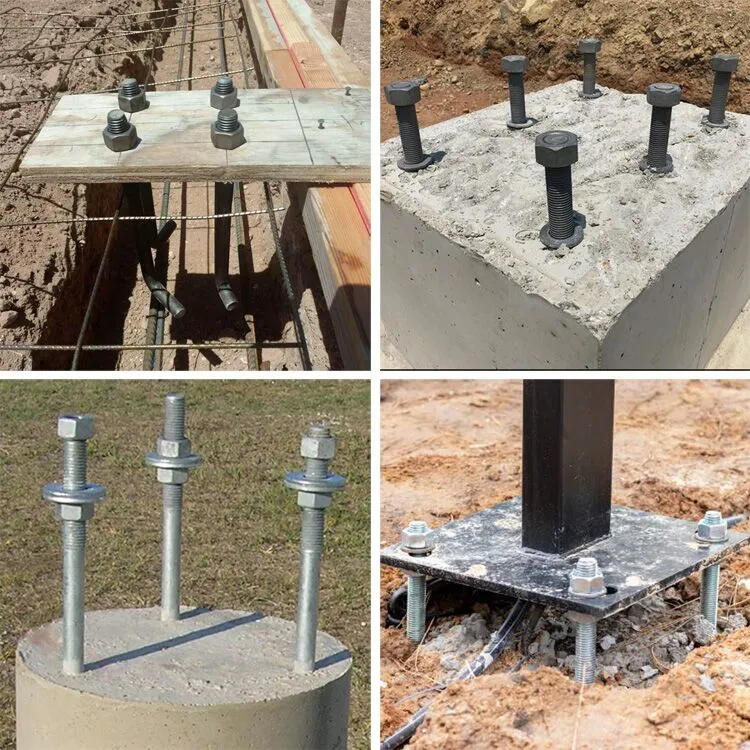
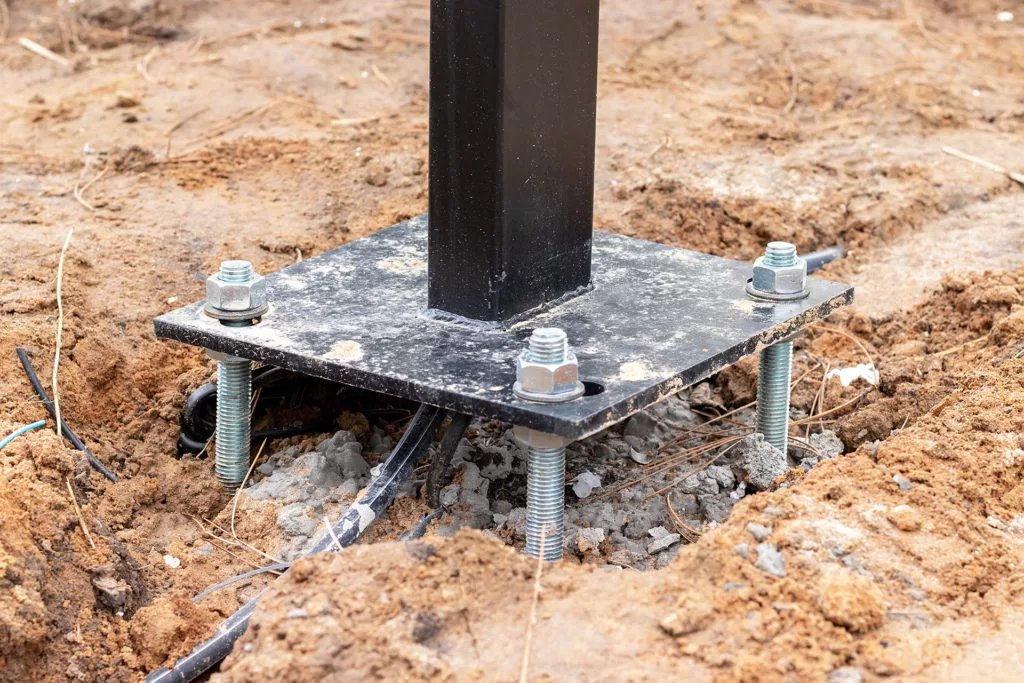
The simplest – and strongest – form of anchor bolt is cast-in-place, with its embedded end consisting of a standard hexagonal head bolt and washer, 90-bend, or some sort of forged or welded flange.
The last are used in concrete-steel composite structures as shear connectors. Other uses include anchoring machines to poured concrete floors and buildings to their concrete foundations. Various typically disposable aids, mainly of plastic, are produced to secure and align cast-in-place anchors prior to concrete placement.
Moreover, their position must also be coordinated with the reinforcement layout. Different types of cast-in-place anchors might be distinguished.
WB Equipment will test the integrity of your bolts, using sophisticated testing equipment.
Let us know your requirements: